It takes a brave manager to admit his players can’t sustain the demands of his own tactical philosophy.
Andoni Iraola has done exactly that, acknowledging Liverpool currently lack the energy to maintain their intensity for 90 minutes.
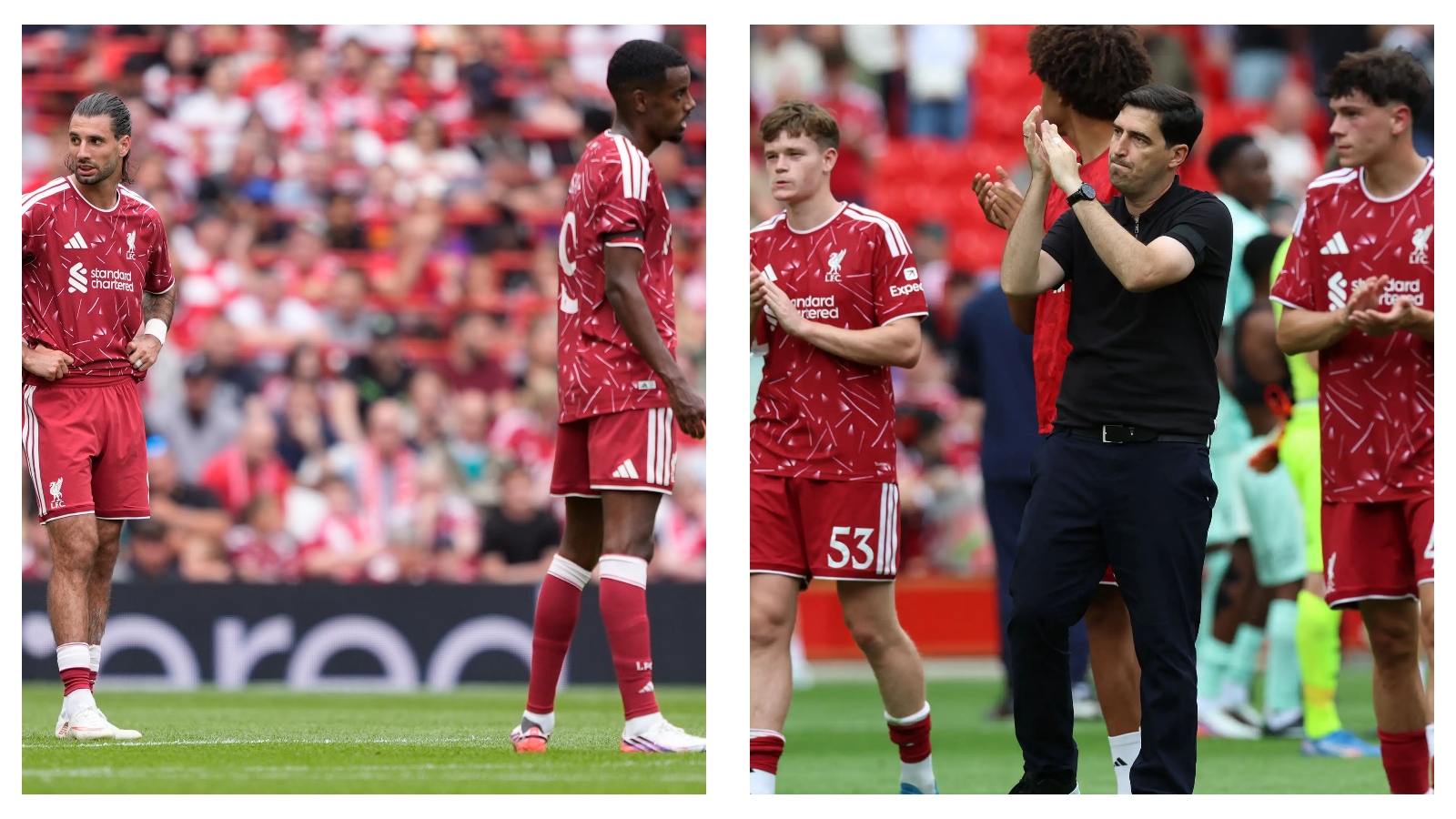
The problem was clear against AS Monaco in pre-season, writes Transfer News Blitz‘s Joseph Kan’gethe.
For 30 minutes at Anfield, Alexander Isak and Florian Wirtz tore the French side apart to build a commanding 2-0 lead.
But Liverpool’s intensity began to fade, allowing Monaco to find more space and eventually turn the match around for a 3-2 win.
After the match, Iraola acknowledged that Liverpool currently lack the energy to sustain the demands of his system for a full 90 minutes.
For a manager who demands constant, suffocating pressure, that lack of energy is a major roadblock.
Liverpool cannot afford to let their intensity drop because their defensive shape becomes easier for opponents to exploit.
A slower press creates problems elsewhere.
Spaces widen, passing lanes open, and opponents get more time to play through them.
For Iraola, the question is no longer whether Liverpool can execute his ideas. They already have.
The real test is whether they can sustain them for 90 minutes.
Why Iraola’s tactics demand so much energy
Sprinting after every lost ball is not what Iraola’s system demands.
His pressing depends on coordinated triggers, with several players reacting to the same situation at the same time.
If one player steps up to press the ball, his team-mates must immediately close the surrounding space and lock down the easiest passing options.
When Liverpool win the ball, they have a brief window to attack before the opposition can recover their shape.
This creates a demanding physical cycle.
Players must press, recover their positions, close down the space, and then quickly switch into attack when they win the ball.
This sequence leaves little room for recovery before the next demanding action begins.
Iraola demands constant movement, with players expected to react to the next phase of play instead of pausing to catch their breath.
This relentless forward momentum was the signature tactical approach of Iraola’s Bournemouth side.
On the South Coast, the Cherries regularly pressed high up the pitch and tried to turn forced errors into immediate attacking opportunities.
The physical cost rises when an attack breaks down with several players committed forward.
Liverpool then have to make long recovery runs to restore their defensive shape before the opposition can exploit the space.
When those recovery runs slow down, Liverpool’s pressing shape starts to break down.
The midfield can then be left covering larger spaces, while opponents have more time to play through them.
That’s why Iraola’s concern goes beyond the Reds’ fitness.
His system requires Liverpool to execute those pressing actions effectively late in games, not just during the opening 10 minutes.
The AS Monaco game showed that Liverpool can execute Iraola’s approach at a high level, but only in spells.
Whether they can maintain that level when fatigue sets in will be one of Iraola’s biggest challenges at the start of the season.
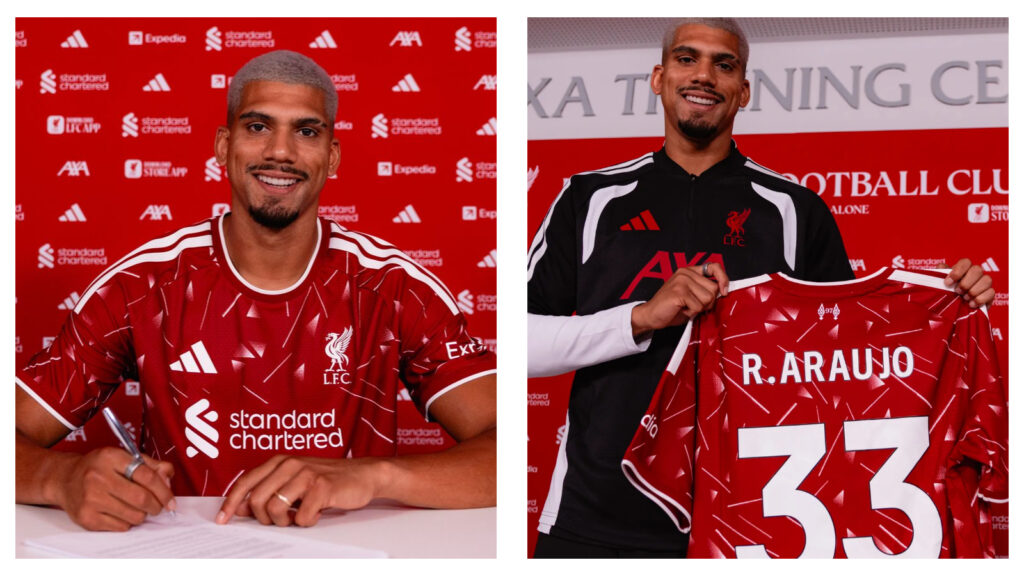
READ MORE: Ronald Araujo joins Liverpool on loan from Barcelona
Why Liverpool keep losing leads in the second half
Liverpool’s pre-season produced the same problem more than once.
Against Leeds United, a commanding two-goal cushion vanished into a 4-2 loss.
Days later against Monaco, Liverpool again surrendered a two-goal lead, turning a 2-0 advantage into a 3-2 defeat.
Two friendlies are not enough to establish a trend, but Liverpool’s similar second-half drop-offs raise a question Iraola can’t ignore.
The obvious question is whether Liverpool’s drop in intensity is contributing to the problem.
That makes Iraola’s comments about Liverpool’s energy particularly relevant.
Liverpool can reach the intensity he wants, but they are not yet able to sustain it throughout a match.
When the energy fades, Liverpool lose the pressure that protects them.
They stop closing down the ball as quickly, while the spaces behind the press become easier for opponents to exploit.
A high press depends on several players moving together.
If the first player cannot close down the ball quickly enough, the supporting players have to cover more ground.
That can create larger gaps between the midfield and defence, giving the opponent more time to find the next pass.
Fatigue alone cannot explain everything about those two collapses.
Leeds and AS Monaco exposed different weaknesses, and the experimental nature of pre-season means neither result can be treated as definitive evidence of a fitness problem.
Nevertheless, both games give Iraola something to examine before the competitive season begins.
Liverpool can build a lead with Iraola’s intensity.
The harder part may be protecting it when fatigue starts to weaken the pressure and the defensive shape.
Iraola cannot simply park the bus whenever Liverpool need to protect a lead.
His approach relies on using pressure to control the game, so managing an advantage requires Liverpool to know when to keep pressing and when to reduce the intensity without losing their defensive shape.
YOU MAY ALSO LIKE: Arsenal target Vinicius Junior signs contract extension with Real Madrid

What Iraola must change before Liverpool face Newcastle United
Liverpool do not have to abandon Iraola’s approach before their Premier League opener against Newcastle.
The challenge will be teaching the Reds when to press, when to slow the game down and when to conserve energy without losing control.
The first adjustment could be using shorter pressing waves rather than maintaining maximum intensity for long stretches.
They also have to know when to switch on the press.
Choosing the right moments to jump on the ball could allow the team to conserve energy.
The same principle applies when Liverpool take the lead.
The Reds will not need to turn every possession into another transition.
There will be moments when circulating the ball and slowing down the tempo is the better option.
Making the opposition chase the ball can also give Liverpool valuable time to recover.
That also means becoming selective about when to press.
Iraola’s players need to recognise those moments and move together when they appear.
The Spaniard will also have to manage the workload of players being asked to cover large distances repeatedly.
He may also need to use his substitutes earlier when the intensity begins to drop.
Iraola’s greatest challenge may not be teaching Liverpool how to press. It is proving that they can manage that intensity well enough for it to survive 90 minutes.
READ NEXT: Premier League analysis: Is David Moyes’ time at Everton running out?